
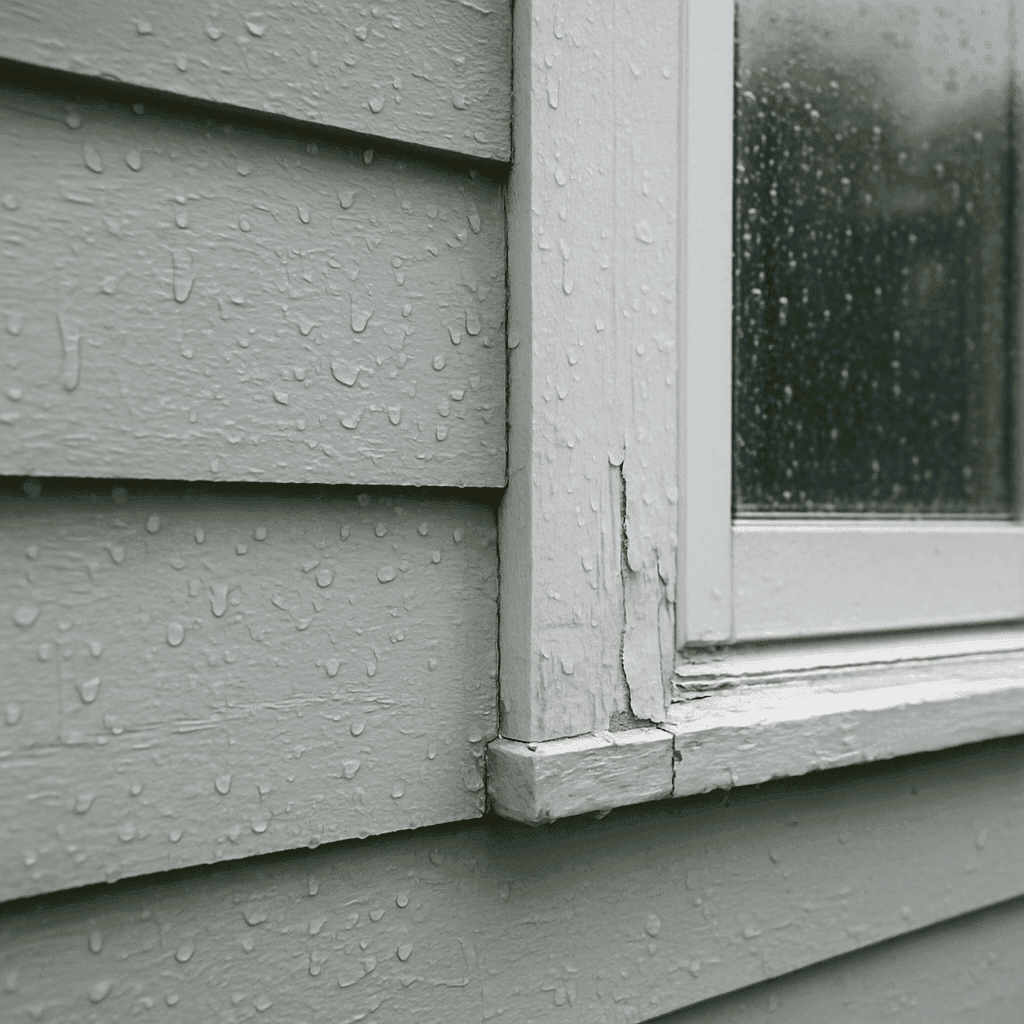
Houston springs are beautiful — and relentless. Between March and June, the greater Houston area typically sees some of its heaviest rainfall of the year. Those rain events are good for lawns and gardens, but they're hard on your home's exterior paint in ways that aren't always visible from the curb.
Now that spring is winding down and summer heat is arriving, this is exactly the right time to walk your home's exterior and look for what the wet season left behind. Problems caught now, before months of Texas summer baking begin, are manageable. The same problems ignored through summer often become expensive repairs by fall. Here's what to look for — and what it means.
Why Spring Is Especially Hard on Houston Exteriors
Houston's spring rain pattern is different from a steady, moderate rainfall climate. Instead of consistent light rain, the Gulf Coast delivers concentrated heavy rain events — storms that dump two, three, or more inches in a matter of hours. That kind of rainfall hits siding, trim, and painted surfaces with significant force and saturates everything quickly.
Then it stops, the sun comes out, temperatures climb, and everything dries rapidly. This wetting-and-drying cycle repeated over weeks and months is one of the most stressful things exterior paint experiences. Each cycle causes the paint to swell slightly as moisture absorbs, then contract as it dries. Over enough cycles, that movement creates fatigue in the paint film — small cracks form, edges lift, and moisture infiltration begins. Add Houston's humidity keeping surfaces damp longer between rain events, and you have an environment that tests exterior paint relentlessly from March through June. We cover the full picture in our guide to how Houston weather damages exterior paint.
Your Post-Spring Exterior Paint Inspection Checklist
Walk your home's exterior with fresh eyes, ideally on a dry day. Take your phone and photograph anything that concerns you — it's useful context when you call a painter. Here's what to look for on each surface type.
Siding (Wood, Fiber Cement, HardiePlank)
- Peeling or flaking paint — check especially at the lower courses of siding, where rainwater splashes up from grade, and at any horizontal surfaces where water sits rather than drains immediately.
- Bubbling or blistering — raised areas in the paint film indicate moisture got trapped beneath it. This often appears first near joints, seams, or where caulk has failed and water entered behind the surface.
- Dark streaking or staining — vertical dark streaks below windows, gutters, or downspout brackets are signs of water tracking consistently down the wall, which can indicate clogged gutters or improper water management.
- Soft or spongy spots — press gently on siding. Any give suggests the wood behind the paint may have absorbed moisture and water has reached the substrate.
Trim, Fascia, and Soffits
Trim boards take some of the harshest water exposure on a home — particularly fascia boards along rooflines where overflowing gutters direct water, and windowsill trim where horizontal surfaces collect rain. Check trim first — paint failure almost always shows up at trim before it spreads to siding. Peeling, cracking, or darkened wood visible through worn paint areas are all warnings. And look up at your soffits: they trap moisture in the humid air beneath roof overhangs, and mildew staining or blistering there usually means inadequate ventilation combined with our climate's humidity.
Caulk Joints Around Windows and Doors
Spring rains are expert at finding every gap in a home's exterior envelope. After a wet spring, check every caulk joint — around window frames, door frames, where trim meets siding, where siding meets foundation — and look for gaps or cracks in the caulk line, areas where caulk has pulled away from one or both surfaces, and soft or missing caulk sections.
Failed caulk is the most common entry point for moisture in Houston homes. Water that enters through a failed caulk joint moves behind siding and paint, eventually pushing paint off the wall from behind. Recaulking is inexpensive. The water damage that follows is not.
Brick and Masonry
- Efflorescence — white, chalky deposits on brick or masonry are a sign of moisture moving through the masonry and depositing mineral salts on the surface. Common after wet springs; clean before repainting.
- Stucco cracks — spring moisture cycles can open existing hairline cracks and create new ones. Any cracks wider than a hairline, or diagonal cracks at window and door corners, warrant a closer look before summer.
- Paint bubbling on masonry — indicates moisture trapped in the masonry pushing against the paint film, signaling that moisture management needs addressing before any repainting.
What the Damage Means — And What to Do
Surface mildew, no underlying damage
Clean with a mildewcide solution, pressure wash, and monitor. If the paint film is intact, this may just need maintenance.
Peeling in isolated areas
Scrape, prime bare areas, and repaint the affected elevation. If more than 25–30% of a wall is affected, a full repaint makes more sense.
Failed caulk
Recaulk all failed joints with quality paintable caulk before any other repair. Painting over failed caulk invites the same problems back.
Soft or damaged wood / stucco cracks
Requires repair or replacement before surface work. A thorough assessment identifies and flags these areas before painting.
Why You Want to Act Before Summer Heat Arrives
There's an important timing reason to address spring rain damage now rather than waiting. Houston's summer heat is intense — and while it does dry surfaces, it also bakes any moisture that's trapped beneath compromised paint into the substrate. Wood that's damp now and not addressed can begin to develop rot through a long, hot summer. Paint edges that are lifting slightly now will be fully peeling by October.
Summer is also the most demanding season for exterior painting conditions — high heat combined with high humidity narrows the window for quality work to early morning hours. Addressing problems now, before peak summer, gives your contractor more flexibility to schedule and execute under better conditions. For the full picture on timing, see our seasonal guide to the best time to paint your Houston home exterior.
Get a Professional Assessment Before You Decide
It can be hard to tell from a casual walkthrough which issues are surface-level and which indicate something deeper. At Houston Superior Painting, we offer free exterior painting assessments throughout Katy, Cypress, Sugar Land, The Woodlands, and greater Houston. We'll look at your home with experienced eyes and give you an honest picture of what's going on — what needs immediate attention, what can wait, and what a proper repair and repaint would involve. Our exterior house painting cost guide shows what that typically costs in 2026.
Frequently Asked Questions
How do I know if spring rain damage to my exterior paint is serious or minor?
Surface mildew, light chalking, or minor color fading are typically cosmetic and can be addressed with cleaning and eventual repainting. Peeling or lifting paint, soft or spongy wood behind siding, bubbling paint film, or stucco cracks are more serious — they indicate moisture has infiltrated past the surface and the underlying material may be affected.
Should I wait until fall to repaint if spring rains damaged my paint?
Fall is ideal for exterior painting in Houston, but waiting several more months while paint is failing allows moisture to continue working into the substrate. If the damage is significant, addressing repairs now — even if the full repaint is scheduled for fall — is worth doing.
Can I pressure wash the mildew off and skip repainting?
If the paint film is otherwise intact and the mildew is purely surface-level, cleaning with a mildewcide solution and pressure washing can buy time. But mildew on compromised paint — paint that's beginning to chalk, crack, or lift — will return faster. Cleaning buys time; repainting solves the problem.
My gutters overflowed this spring and soaked my fascia boards. Is that a big deal?
Yes — fascia boards that have been repeatedly soaked are at risk for rot, especially if the paint film has started to fail and moisture is reaching bare wood. Check for soft spots by pressing gently. If there's any give, the wood may need to be evaluated or replaced before repainting.
How soon after heavy rain can exterior surfaces be painted?
Surfaces need to be fully dry — typically at least 24–48 hours after rain, longer for wood that has absorbed significant moisture. A professional painter will check surface moisture readings before starting work, not just rely on how many days it's been since it rained.