

Prep guide
Can you apply latex paint over oil-based paint?
By Juan Serra, owner, Houston Superior Painting ·
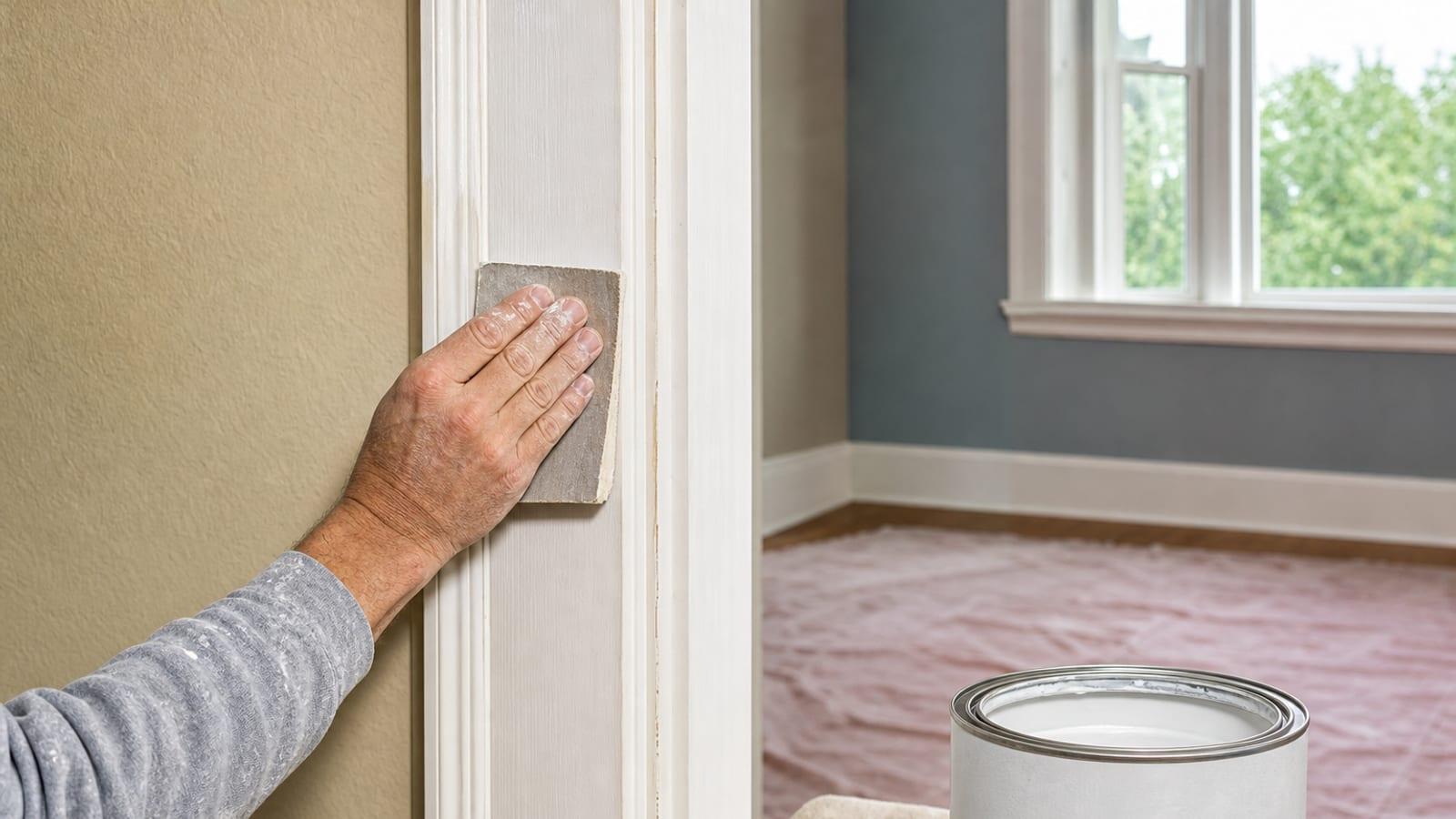
Yes, but not directly. Latex (water-based) paint does not grip a hard, glossy oil-based finish, so it can peel off in sheets, sometimes weeks later. The surface has to be cleaned, sanded to a dull finish and coated with a bonding primer made for the job; then latex or a water-based enamel goes on top. Old oil-based paint is common on trim, doors and cabinets in older Houston homes.
How to tell if paint is oil-based
A simple at-home test:
- Clean a small spot — on the trim or door with mild soap and water, and let it dry.
- Rub with rubbing alcohol — on a cotton ball or white rag, back and forth for about 20 seconds.
- Check the rag — if paint comes off on the rag, it is latex. If nothing comes off and the surface just gets cleaner, it is most likely oil-based.
Other clues: oil paint is usually harder and glossier, may have yellowed over the years (especially whites), and chips rather than peels.
Why latex peels off oil
Oil-based paint cures to a hard, slick film. Latex dries by bonding to the surface it lands on, and it cannot get a grip on that slick film. It may look fine at first, then lift when it is bumped, taped or washed. That is why the prep matters more than the topcoat.
The right way to paint over oil
- Clean — remove grease and grime with a degreaser, especially on kitchen cabinets and door edges, then rinse.
- Repair — fill dents and gaps, and caulk joints.
- Sand — scuff the whole surface to a dull, even finish; you are giving the primer something to grip. Remove all dust.
- Bonding primer — apply a primer made to bond to glossy and oil-based surfaces, and let it dry as the label says.
- Topcoat — two coats of a durable water-based enamel for trim, doors and cabinets. On cabinets and fine trim we use products such as Benjamin Moore Command or Sherwin-Williams Emerald Urethane Trim Enamel.
Before you sand: older homes
Homes built before 1978 may have lead-based paint on trim, doors and windows. Sanding or scraping it creates hazardous dust. If your home is that old, have the paint tested before any sanding, and follow EPA lead-safe practices or hire a contractor certified to do that work.
Can you put oil over latex instead?
It is possible with the right prep, but it is rarely the better choice today. Modern water-based enamels level well, stay whiter (oil-based whites yellow over time) and clean up with water. See fine finish painting for trim and doors and primer or two coats of paint.
Frequently asked questions
Can I paint latex over oil-based paint without primer?
No. Latex does not bond to a hard oil-based finish and can peel off. Clean, sand to a dull finish and use a bonding primer first.
How can I tell if my trim is oil-based?
Rub a cleaned spot with rubbing alcohol on a white rag. If paint comes off, it is latex; if nothing comes off, it is most likely oil-based.
Why is my old white trim yellow?
Oil-based whites yellow with age, especially where they get little sunlight. Repainting with a water-based enamel over a bonding primer fixes it and stays whiter.
Is it safe to sand old trim?
In homes built before 1978, old paint may contain lead. Test before sanding, and use lead-safe practices or a certified contractor.
Limitations of this guide
General guidance. Follow the primer and paint manufacturers' instructions; product choice depends on the surface and condition.
Related pages
What to expect from us
- 5-year written workmanship warranty on qualifying painting projects
- We are insured and bonded, with $2 million in liability insurance and workers' compensation coverage.
- Certificate of insurance for approved projects when required
- Written estimate with scope, total price, deposit and payment schedule
- Clear product specifications
- Final walkthrough
Get a written estimate for trim, doors or cabinets
Call (346) 594-5960 or request an estimate online. Request a free written estimate. Your proposal will explain the scope, products, price, deposit and payment schedule before you decide.