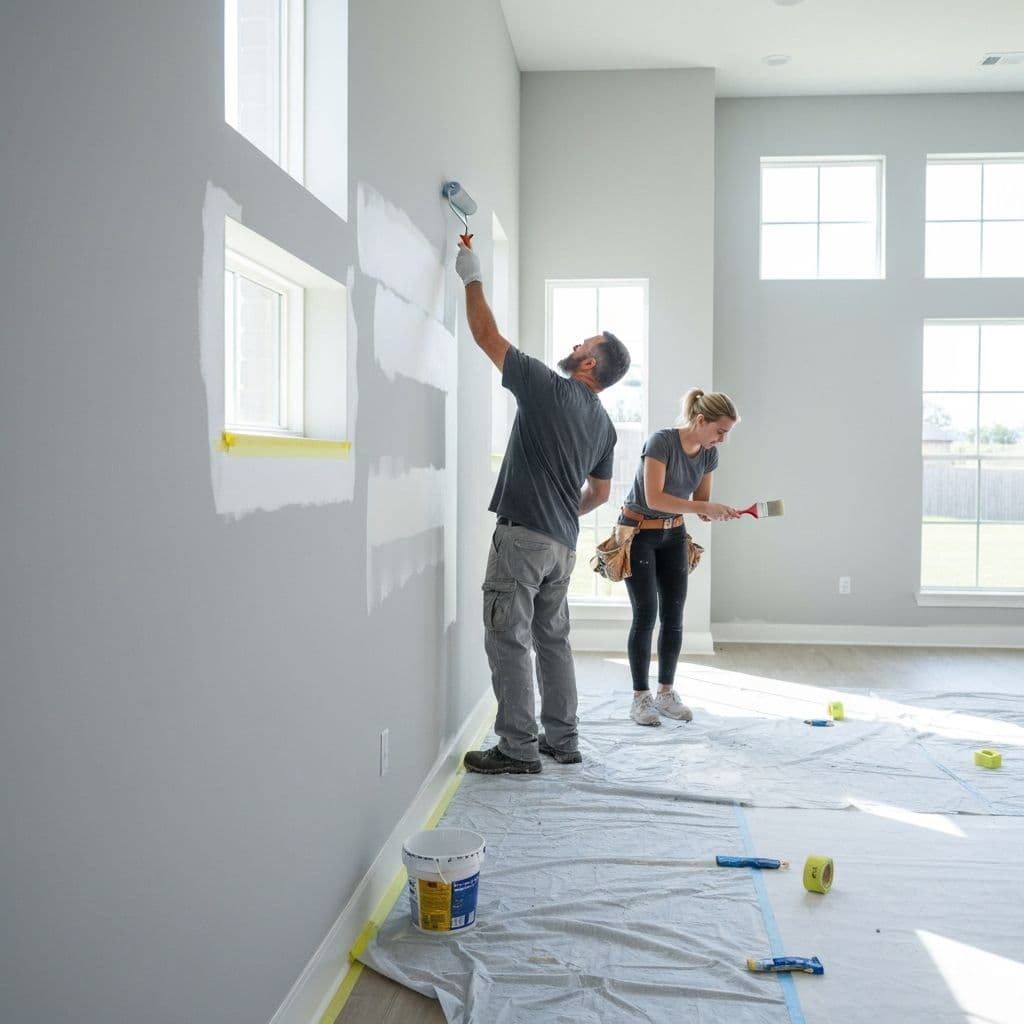
Hiring a professional interior painter is the easy part. Getting your home ready for them — and knowing what to expect before, during, and after — is what sets the stage for a smooth job and a great result. A little preparation on your end goes a long way. It protects your belongings, helps the crew work efficiently, and gives you a cleaner, faster finish.
This guide walks through exactly what you should do before your interior painters arrive in Houston, what a good painter handles themselves, and what to keep in mind during and after the job.
Before Your Interior Painters Arrive: Your Checklist
Clear the Room (But Not Everything)
You don't need to empty a room completely, but the area needs to be workable. As a general rule:
- Move small items, decorations, plants, and anything on shelves out of the room entirely
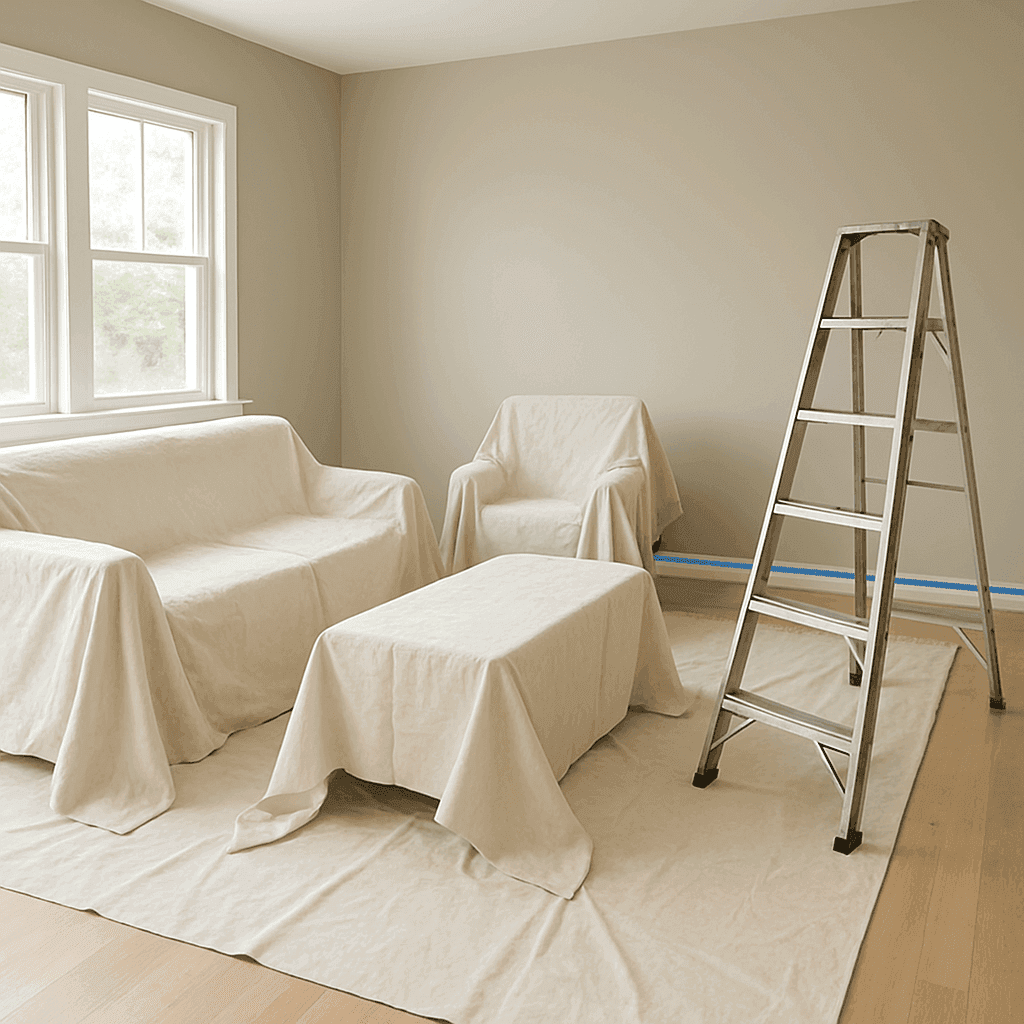
- Clear furniture away from the walls — most painters will move standard furniture to the center of the room and cover it with drop cloths, but you should confirm this with your contractor
- Take down wall art, photos, mirrors, and anything hanging from the walls — holes can be filled during prep, but only if the wall is clear
- Remove outlet covers and switch plates if your painter hasn't specified they'll do this (most professional crews handle it, but ask in advance)
Heavy furniture like pianos, large sectionals, and built-in pieces typically stay in place and are covered and protected.
Patch Obvious Wall Damage Yourself — Or Let the Pros Do It
A professional interior painting crew will fill nail holes and do light prep work. Major drywall repairs — large holes, water-stained areas, texture repairs — are typically either a separate cost or handled before the painting crew arrives. If you have significant wall damage, discuss it during the estimate so it's included in the quote and planned for properly.
Clean Walls in High-Traffic Areas
Professional painters will prep wall surfaces before painting, but if you know certain areas are greasy — kitchen walls, areas near fireplaces, heavily trafficked hallways — a quick wipe-down with a degreasing cleaner before they arrive is courteous and helpful. Grease and kitchen residue are hard to see and can affect adhesion if not fully removed.
Communicate Your Color Selections Clearly
If you haven't finalized colors by the time the crew arrives, that creates delays. Have your paint colors confirmed, your product selections agreed upon with your contractor, and any room-specific instructions written down. If certain rooms get different colors, label the rooms clearly so there's no confusion.
Make a Plan for Pets and Children
Interior painting involves open cans of paint, ladders, drop cloths, and open doors and windows for ventilation. It's not a safe environment for unsupervised children or curious pets. Plan ahead:
- Arrange for pets to stay in a closed-off section of the home or elsewhere during work hours
- Have a plan for kids to be occupied elsewhere, at least during the active painting portions of each day
- Keep a path clear to whatever room you're using as a "safe zone" for the household during the project
Protect Flooring You're Keeping
A professional crew will lay drop cloths and plastic sheeting to protect your floors. Still, if you have irreplaceable rugs, hardwood floors in excellent condition, or tile you're particularly concerned about, communicate this upfront. Some homeowners roll up area rugs and store them in a bedroom or garage for the duration of the job.
What Your Professional Painter Should Handle
A quality interior painter isn't just rolling paint onto walls. Before the first coat goes on, they should:
- Cover floors and furniture with drop cloths and plastic sheeting
- Remove outlet covers and switch plates or tape them off carefully
- Fill nail holes and small dings with spackling compound and sand smooth
- Caulk gaps around trim, door frames, and baseboards where appropriate
- Sand glossy surfaces so new paint has something to adhere to
- Apply primer on bare spots, repaired areas, or walls receiving a dramatic color change
- Cut in edges carefully along ceiling lines, baseboards, and trim before rolling
If a painter shows up and immediately starts rolling without any of this prep, that's worth a conversation. Prep is what makes the difference between a paint job that looks great a year later and one that starts showing problems within months.
During the Paint Job: What to Expect
Ventilation Is Normal (and Important)
Expect windows to be open during and after painting for ventilation. Even low-VOC paints benefit from fresh air during application and curing. Houston's climate is warm enough that this is manageable for most of the year — in summer, try to schedule painting during cooler parts of the day.
Some Rooms Will Be Unavailable
If the crew is painting multiple rooms, they'll typically work through one area at a time. Plan around losing access to specific rooms on specific days. Ask your painter for a day-by-day plan so you can organize your household accordingly.
Multiple Coats Mean Waiting
Quality interior painting involves at least two coats — sometimes more if you're making a dramatic color change or covering a stained surface. There will be dry time between coats, which can mean the crew leaves and returns the following day. This is normal and shouldn't be rushed. Cutting dry time leads to problems.
Don't Rush to Touch Walls
Paint may feel dry to the touch in a few hours but isn't fully cured for days or even weeks depending on the product. Ask your painter what their product's full cure timeline is and plan accordingly before moving furniture back against walls or hanging anything heavy.
After the Paint Job Is Done
Do a Final Walkthrough With Your Painter
Before the crew packs up, walk through every painted surface together in good light. Look for:
- Thin or missed coverage in corners and edges
- Paint bleed onto trim or ceilings that wasn't properly cut
- Areas where the texture doesn't match
- Any drips or runs in the finish
A professional crew will address anything you point out during this walkthrough. It's much easier to fix before they leave than to schedule a callback.
Wait Before Washing Walls
Even after paint looks and feels dry, it continues curing. Most interior paints need 2–4 weeks before the surface is fully hardened and ready for washing. Washing walls too early — especially with any abrasive — can damage a finish that hasn't fully cured.
Touch-Up Paint Storage
Ask your painter to leave any remaining paint from your job in a labeled can or container. Stored properly (sealed tightly, kept at room temperature), leftover paint lasts for years and is invaluable for touch-ups from scuffs, dings, or nail holes down the road.
A Few Houston-Specific Notes
Houston's humidity can affect interior paint application and curing in ways that matter:
- Paint applied in very high-humidity conditions takes longer to dry and may not cure as predictably. Your painter should be monitoring interior conditions — particularly in an older home with humidity levels above 70%.
- If you're running air conditioning, the controlled interior environment in a Houston home during summer actually creates near-ideal painting conditions.
- Low-VOC paint products are especially worth considering in Houston — the city's air quality and long hot summers mean windows are often closed for months at a time, and lower-VOC products mean less indoor air quality impact during and after painting.
Ready to Schedule Your Interior Paint Job?
At Houston Superior Painting, we take the prep work seriously — because that's what makes the result last. We'll walk your home, explain what we're going to do before the first coat touches your walls, and give you a realistic schedule so you can plan around the project. Request your free estimate and let's get your rooms looking their best.
Frequently Asked Questions
Do I need to move all my furniture before interior painters arrive?
You don't need to empty rooms completely. Standard furniture is typically moved to the center and covered. Clear small items, wall décor, and anything on shelves. Heavy built-ins and large furniture are usually worked around or protected in place.
Do I need to patch my walls before the painter comes?
Light prep like nail hole filling is typically included in a professional paint job. For significant drywall damage, stains, or texture repairs, discuss it during the estimate — this work may be included or priced separately.
How long will I be without use of my rooms during interior painting?
Most standard rooms are painted and back in use within 24–48 hours. A full interior repaint of a 2,000 square foot home typically takes 3–5 days. Ask your painter for a room-by-room schedule so you can plan around it.
How long does it take for interior paint to fully cure in Houston?
Interior paint typically feels dry within a few hours but takes 2–4 weeks to fully cure depending on the product. During this time, avoid washing walls or placing furniture directly against them.
Should I empty closets before interior painters arrive?
If closet interiors are being painted, clear the contents and remove clothing. If only closet doors (not the interior) are being painted, closets can generally stay as-is.
JJ Semo
Owner & Lead Estimator at Houston Superior Painting
JJ founded Houston Superior Painting in 2019 and has completed over 500 residential and commercial painting projects across the Greater Houston area. He specializes in helping homeowners choose the right colors and finishes for Houston's unique climate.
Ready to Transform Your Home?
Get a free estimate from Houston Superior Painting. We bring local expertise and quality craftsmanship to every project.